



10 Costly Mistakes First-Time Europe Travellers Make
(And How to Avoid Them)
Your first journey to Europe is always special.
The charming streets you have seen in movies, the snow-covered mountains you have imagined for years, the historic cities, beautiful cafés, scenic train journeys, and picture-perfect landscapes — Europe has a way of staying in every traveller’s heart. But many first-time travellers from India, especially from Kerala, realise something important only after reaching there — Europe is very different from most holiday destinations.
Europe is not difficult to explore. In fact, it is one of the most traveller-friendly regions in the world. But it is organised, structured, and rewards those who plan correctly. Small mistakes in itinerary planning, packing, visa understanding, or travel arrangements can easily turn a dream holiday into a rushed and stressful experience.
Here are 10 common mistakes first-time Europe travellers make — and how you can avoid them.
1. Trying to Cover “All of Europe” in 7–8 Days
One of the biggest mistakes first-time travellers make is trying to see too much in too little time. Europe may look small on a map, but it is not a single destination. It is a collection of countries, cultures, languages, landscapes, and experiences.
Many travellers try combinations like:
Paris → Switzerland → Italy → Amsterdam → Germany, all within a week.
While this may look impressive on an itinerary, the reality is often very different — long transfers, frequent hotel changes, packing and unpacking, and very little time to actually enjoy each place.
You may return with photographs from five countries, but without truly experiencing any of them.
How to avoid it:
Choose a region instead of chasing a country count.
For example:
- Classic Western Europe: France, Switzerland & Italy
- Central Europe: Austria, Czech Republic & Hungary
- Alpine Experiences: Switzerland and surrounding regions
When it comes to Europe, depth is always better than distance.
2. Not Understanding the Schengen Visa Properly
The Schengen visa is one of the biggest areas of confusion for first-time Europe travellers.
Many assume they can randomly select any European country for visa application. However, your application should normally be submitted based on your actual travel plan.
You should apply through the country where:
- You spend the maximum number of nights
- Or your main travel purpose/destination is located
For example, if your journey covers multiple countries but your longest stay is in France, your visa application should generally be through France.
Incorrect planning can create unnecessary delays and complications.
How to avoid it:
Prepare your itinerary first, understand your stay pattern, and then start the visa process.
3. Underestimating Walking Distances
European cities are designed differently.
Unlike many destinations where sightseeing happens mostly by private vehicles, the real charm of Europe is often discovered on foot — walking through old towns, riversides, markets, historic streets, and hidden corners.
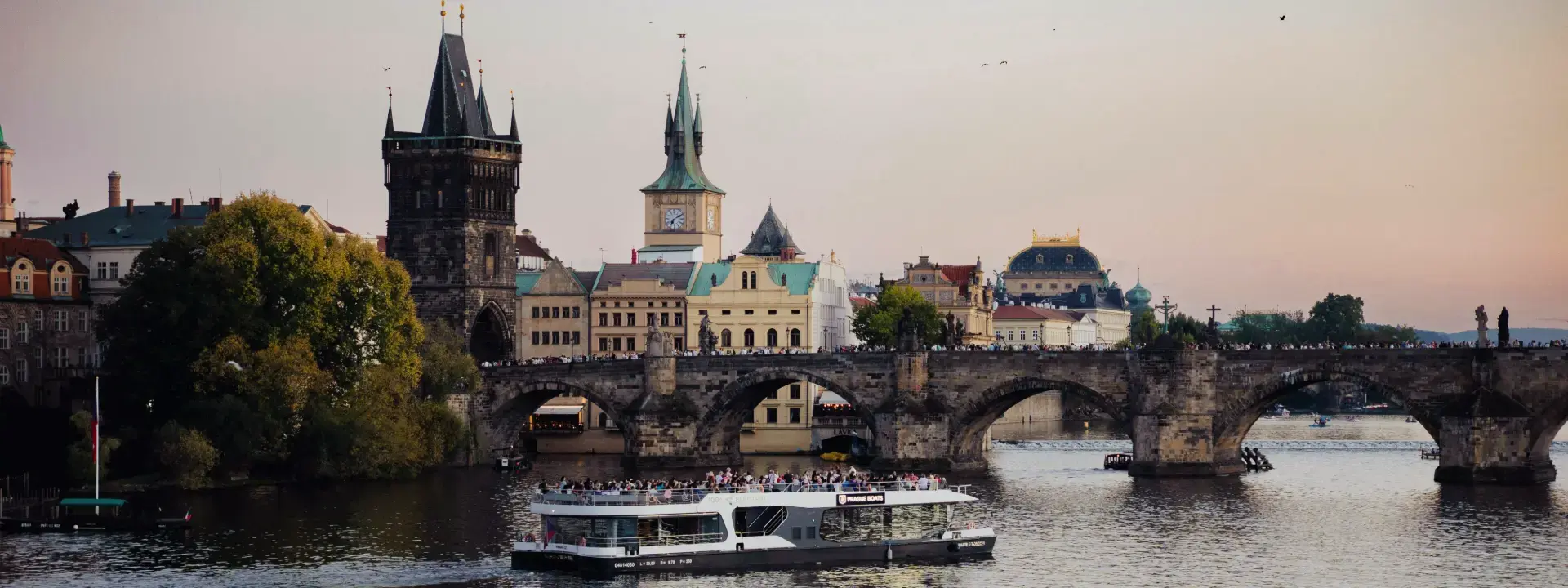
Cities like Rome, Paris, Prague, or Amsterdam can easily involve 15,000–20,000 steps in a day.
A common mistake is travelling with uncomfortable footwear or carrying heavy luggage.
How to avoid it:
Invest in good walking shoes, pack lighter, and prepare yourself for a more active style of travel. Sometimes the best memories in Europe are found while walking without a plan.
4. Treating Travel Insurance as Just a Visa Requirement
Many travellers purchase insurance only because it is required for a visa. But travel insurance is much more than paperwork.
Unexpected situations like medical emergencies, baggage delays, cancellations, or interruptions can happen anywhere. Healthcare costs in Europe can be significantly higher compared to India, making proper coverage important.
How to avoid it:
Choose travel insurance based on coverage and reliability — not just the lowest price.